Hurricane Bertha North Carolina
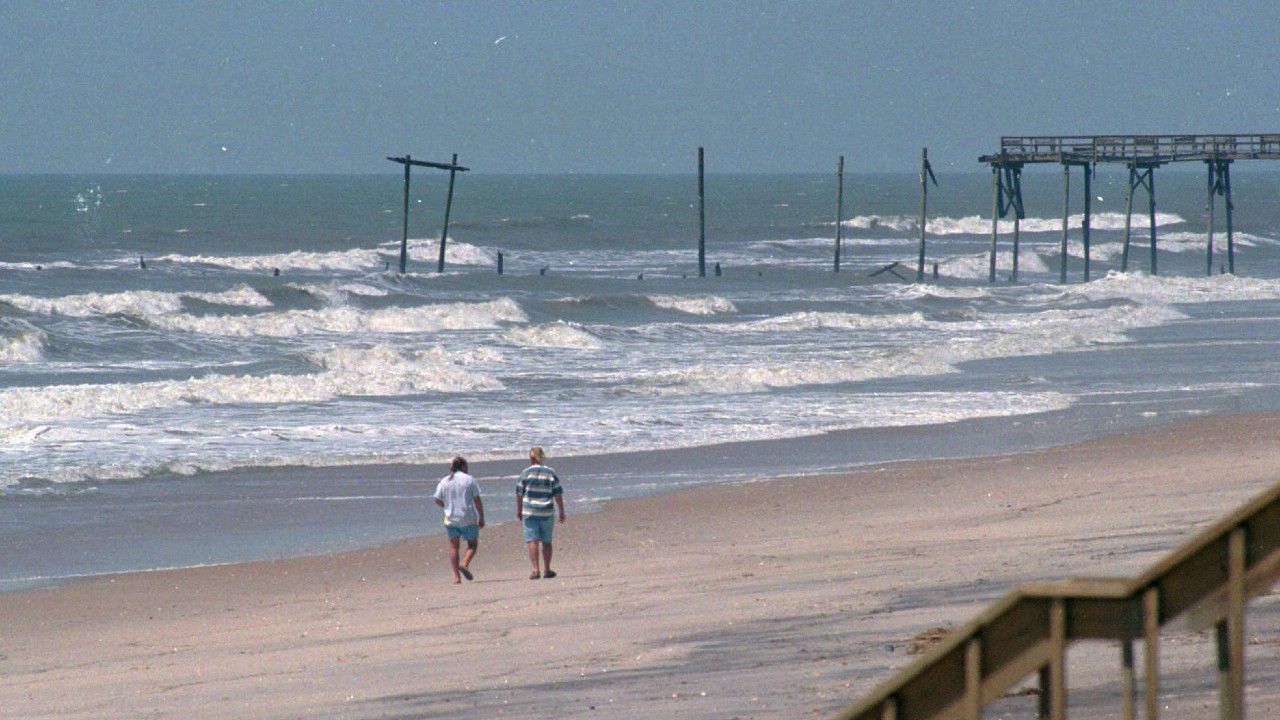
Hurricane Bertha North Carolina. At 13:00 utc on may 27, 2020, bertha made landfall near isle of palms, south carolina while at peak intensity. The storm quickly weakened as it progressed inland, falling to tropical.
Fundamentally, a hurricane an event that generates winds greater than 100 miles/hour. It's caused by a closed low-level atmospheric circulation and is identified by a low-pressure center and an arrangement of storms in a spiral. The system also generates large squalls and heavy rain.
Eyewall replacement cycleWhen tropical cyclones are intense, there will be a new wall that replaces the old. The eyes will become bigger and stronger than the original eye. This is most commonly seen in major storms. It is also called the concentric eyewall cycle.
If a hurricane is in the middle that of a eyewall replacement cycle The intensity of the storm typically decreases. The process could last several days. A hurricane's eyeball could expand up to 15 miles across. This can be a devastating occasion. However precise hurricane strength forecasts are crucial to ensure the safety of those who live in the path of a hurricane.
There are a lot types of replacements for the eyewall. The biggest eyewall is generally encountered in a high-end Category four hurricane. When it comes to the West Pacific, double eyewall structures are common.
Saffir-Simpson scaleUtilizing the Saffir-Simpson hurricane scale which is based on the Saffir-Simpson hurricane scale, hurricanes are five categories based upon wind speed. For hurricanes with sustained winds between 74 and 95 mile per hour, are classified as Category One, while those with winds exceeding 120 miles per hour are classified as Category 5.
The Saffir-Simpson hurricane scale is utilized mostly across North America. It's used to estimate the intensity of tropical cyclones across the Atlantic as well as North Pacific oceans. The scale is used primarily to evaluate hurricanes and to estimate the damage that they can cause to property.
The hurricane intensity scale is an United Nations project that was later modified in the 1970s from Robert Simpson, a meteorologist. The hurricane scale was utilized to predict hurricanes in the United States and was also used to give public warnings about the adverse effects of hurricanes.
The size and shape of the eyewallBeing aware of the eyewall's size as well as the shape of a storm may aid forecasters with better predictions. Storms with smaller eyes are usually not that intense. However, a larger eye may increase the size the storm, and create a push of water in the forms of storm surges.
An eye of a hurricane may be circular, oval or even an oblong. The shape that the eye takes is determined by wind speed and direction. It is generally the case that winds blowing through the eyewall are the strongest and the most powerful. The strongest winds in the eyewall are located near 500 meters elevation.
The eye of a hurricane will usually be clear of clouds. In weaker cyclones clouds could cover eyes of storm. The stadium effect can give the appearance like an open dome from the air.
Planning for a hurricaneBe prepared for a storm is one of the best ways to protect your family and property. In the beginning, you need to pay attention to the forecast for the weather. It is then time to make a checklist of hurricane preparation and put together a hurricane supplies kit.
When a storm is threatening, you should remain inside and clear windows. There may be a need to leave. It is recommended to watch for official messages regarding the storm before leaving. This will allow you plenty of time to plan your trip.
If you reside in a zone of hurricanes, you must begin to familiarize yourself with the shelters that are located in your area. You must also fill your freezer and refrigerator with water. Also, you should have a plan to meet with your family members should you are forced to leave.
The hurricane season lasts from June 1 through November 30. The weather is unpredictable , and forecasts can change very quickly. Check your home insurance to ensure that you are covered.
The storm made landfall less than two hours after the national hurricane center named it bertha. 5, less than two months after hurricane bertha. The storm quickly weakened as it progressed inland, falling to tropical.
5, Less Than Two Months After Hurricane Bertha.
Bertha was the first july hurricane to strike north carolina since 1908, he wrote. Bertha made landfall with maximum. Tropical storm bertha has formed quickly this morning near the coast of south carolina and it will track inland through north carolina and virginia with potentially flooding.
The Storm Quickly Weakened As It Progressed Inland, Falling To Tropical.
Bertha’s maximum sustained winds at landfall were 50 mph, up slightly from. It came inland as a category 2 storm. Destroyed piers, battered dunes the storm made landfall near figure eight island around 4.
Hurricane Fran Was The Second Storm To Hit The State In 1996 Bertha Was One Of Two Hurricanes To Make Landfall In North Carolina In 1996.
It brought rain to the carolinas and virginias. The storm made landfall less than two hours after the national hurricane center named it bertha. At 13:00 utc on may 27, 2020, bertha made landfall near isle of palms, south carolina while at peak intensity.
Post a Comment for "Hurricane Bertha North Carolina"