Jacksonville Fl Hurricane History
Jacksonville Fl Hurricane History. 10, 2017, category 3 hurricane irma crashed ashore near marco island, florida, and tracked north up the state. 79 hurricanes have been recorded in the jacksonville, fl since 1930.
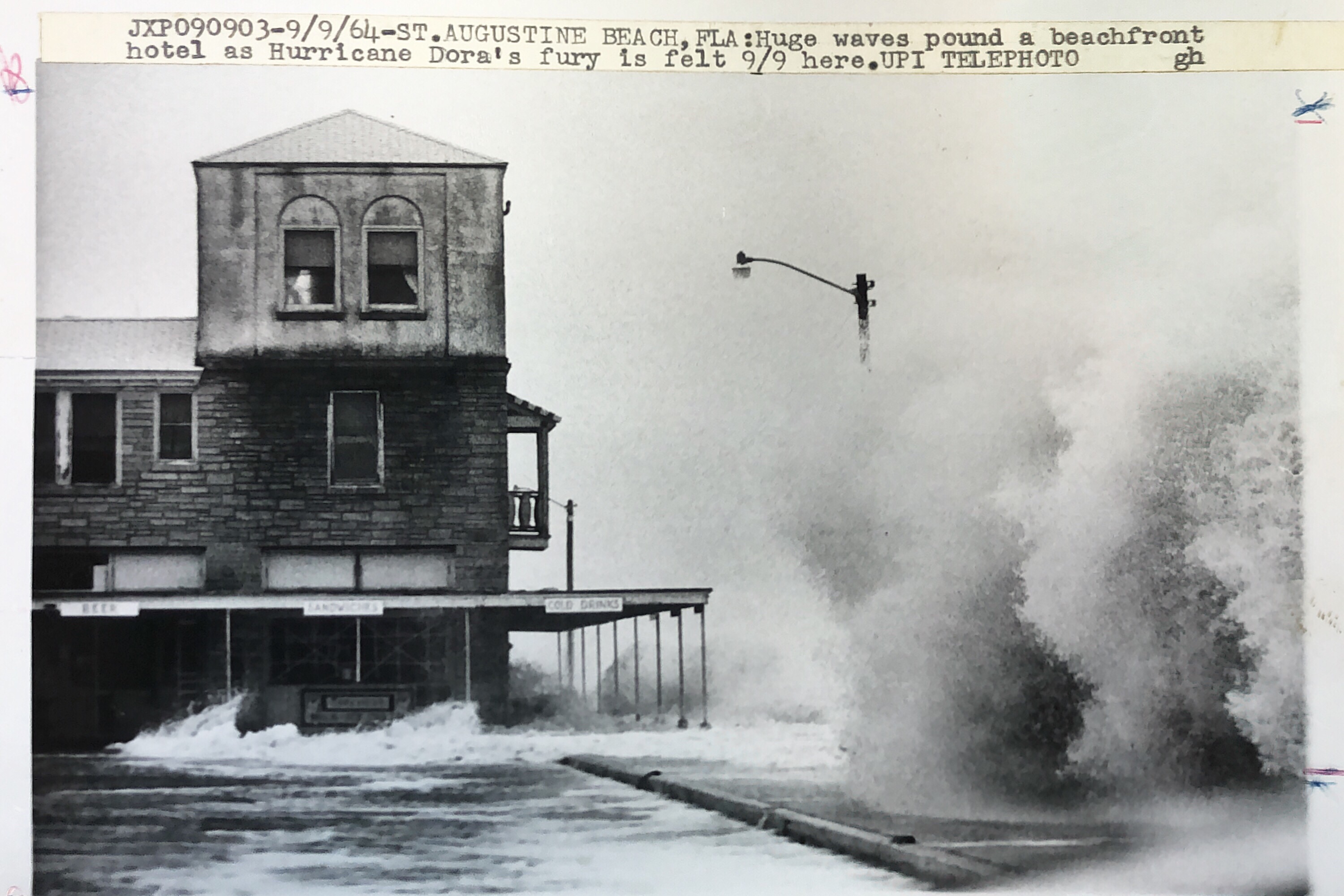
In essence, a hurricane is an extreme storm that creates winds up to 100 miles an hour. It's caused by a closed low-level atmospheric circulation that is distinguished by a center of low-pressure and an arrangement of storms in a spiral. It also triggers large squalls and heavy rain.
Eyewall replacement cycleIn the event of a tropical storm that is intense, the eye will be replaced by the previous. The New eye could be much bigger and more durable than the previous eye. It's usually observed in significant storms. It's also known under the Concentric Eyewall Cycle.
When a hurricane is the midst in the process of replacing the eyewall its intensity typically diminishes. This can take longer than two days. The eyeballs of hurricanes can range up to 15 miles in diameter. This could be a devastation catastrophe. However accurate hurricane forecasts are essential to protect the people in a hurricane's path.
The typical hurricane goes through a series or replacement cycles for eyewalls. Eyewalls with the largest size are usually observed in a high-end category four hurricane. in the West Pacific, double eyewall structures are the most frequent.
Saffir-Simpson scaleUtilizing the Saffir-Simpson hurricane scale which is based on the Saffir-Simpson hurricane scale, hurricanes are five groups based on speed. A hurricane with sustained winds between 74 to 95 miles per an hour have been classified as Category One in contrast, those with speeds of over 100 miles per minute are classified as Category 5.
The scale for hurricanes is used mostly for hurricanes in North America. It's used in assessing the intensity of tropical cyclones in the Atlantic as well as North Pacific oceans. The scale is used primarily to judge hurricane strength and determine the damage that they can cause to properties.
The hurricane intensity scale is an United Nations project that was modified in the early 1970s via Robert Simpson, a meteorologist. In the early 1970s, this scale was utilized to forecast hurricanes within the United States and was also employed to give warnings to the public about the effects of storms.
Eyewall size , shape and sizeA better understanding of how the eyewalls are shaped and size that a hurricane has can aid weather forecasters to make better forecasts. When a hurricane has small eyes, they are usually not particularly intense. But, an eye that is larger could intensify the intensity of the storm and increase the speed of the water's movement in the type of storm surges.
The eye of a hurricane can be circular, oval, or even oval. The shape of the eye is often dependent on the speed of the wind and wind direction. Typically, winds along the eyewall are the strongest and significant. The strongest eyewall winds can be located close to 500 meters in elevation.
The eye of a hurricane is generally free of clouds. In weaker cyclones clouds could cover eyes of storm. The stadium effect gives the illusion as if a dome is opened from the air.
In preparation for a hurricaneBeing prepared for a hurricane is the best method of protecting you and your belongings. It is the first thing to do to listen to the forecast for weather. After that, you must create an emergency preparedness checklist for hurricanes and put together a hurricane supplies kit.
If you're experiencing a storm, you should remain inside and far from the windows. There may be a need to leave. However, it is important to wait for official announcements about the threat before leaving. This will allow you time to plan your trip.
If you're located in a area that is prone to hurricanes, it is important to begin to learn about the shelters that are located in your area. You must also fill your freezer and refrigerator with water. You should also make plans to get together with your family members in the event that the need arises to evacuate.
The hurricane season lasts from June 1 through November 30. Weather is unpredictable and forecasts are subject to rapid change. Make sure to verify your insurance policy for your home to make sure that you have enough coverage.
Hurricane information for jacksonville, fl jacksonville, fl is in a high risk hurricane zone. The city of jacksonville was fortunate during. 11, 2017, 9:04 am pdt / updated sept.
The Northeast Was Still More Concerned By The Heavy Rainfall.
Category 4 and 5 hurricane tracks that crossed over the state of florida between 1910 and 2018. 10, 2017, category 3 hurricane irma crashed ashore near marco island, florida, and tracked north up the state. Northeast storm warnings issued from key west, fl to jacksonville, fl.
Wind And Tide Had Pushed Water South.
In case of storms, floridians need to be aware of their options. Jacksonville is a city located on the atlantic coast of florida, the most populous city proper in the state and is the largest city by area in the contiguous united states as of 2020. 11, 2017, 5:53 pm pdt by jon schuppe about 400 miles north of hurricane irma's first landfall in south florida, the coastal city of jacksonville is.
Hit Map 1898 Oct 2Nd A Major Hurricane With.
Jacksonville naval air station, usa). Wind gusts that reached 128 mph in florida, rainfall totals greater than 20 inches, power outages that soared past 3 million. Nearly a million floridians live within jacksonville’s borders, with another roughly 800,000 residing in the surrounding metropolitan area.
Hurricane Information For Jacksonville, Fl Jacksonville, Fl Is In A High Risk Hurricane Zone.
According to the national weather service, storm surge flooding in. Those are just a few of the statistics behind ian’s devastating journey. 74 to 95 mph category 2:
June 1, 2019 From June 1 To November 30, There’s A Risk Of Hurricanes Forming In The Atlantic Ocean.
View more than 150 years of hurricane tracking data in your region. By the next morning, jacksonville. 1896 sept 29th a very fast moving hurricane from the gulf of mexico ssw passes 49 miles west with 125mph winds causing heavy damage.
Post a Comment for "Jacksonville Fl Hurricane History"