Hurricane Ida Category 4
Hurricane Ida Category 4. Gulf coast on sunday as a category 4 storm with maximum sustained winds of 150 miles per hour. The impact of this hurricane underscored the persistent peril.
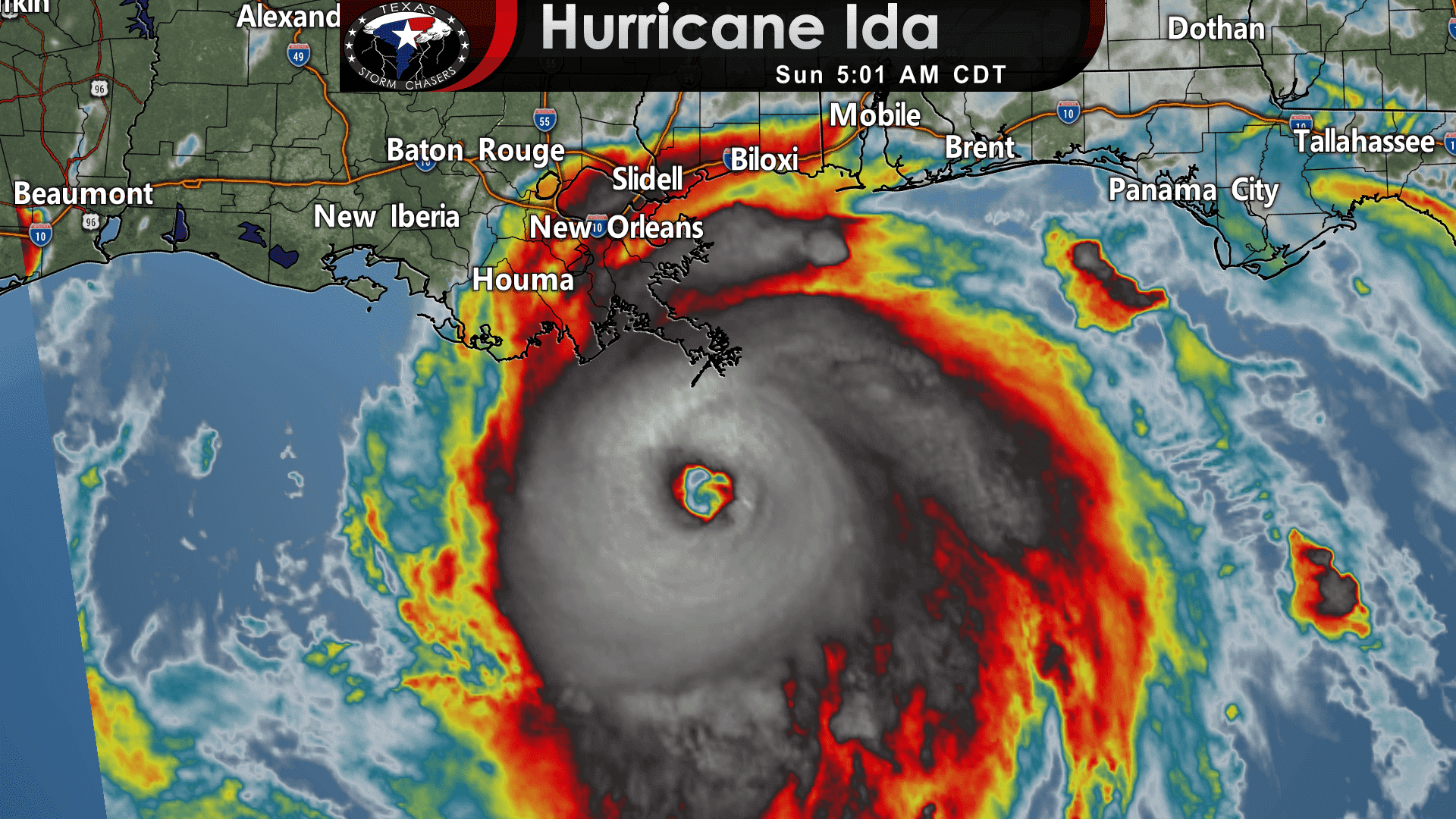
The basic definition of a hurricane is one that is characterized by winds greater than 100 miles/hour. It's caused by an atmospheric circulation that is closed at low levels that is distinguished by a center of low-pressure and an intricate arrangement of thunderstorms. The system also generates torrential rain and squalls.
Eyewall replacement cycleIn severe tropical cyclones the new eye wall will replace the old. This second eye may be bigger and more durable than the old eye. This is often seen in large storms. It's also known as Concentric Eyewall Cycle.
When a storm is in the midst or undergoing a process to replace the eyewall the intensity of the storm usually decreases. This process can last longer than two days. A hurricane's eyeball could expand between five and fifteen miles in size. It can be a catastrophic occasion. However accurate forecasts for hurricane strength are necessary to safeguard residents of the areas that are hit by hurricanes.
The typical hurricane goes through a series or replacement cycles for eyewalls. The largest eyewall can be encountered in a high-end Category four hurricane. When it comes to the West Pacific, double eyewall structure are most commonly seen.
Saffir-Simpson scaleUtilizing the Saffir Simmons hurricane scale which is based on the Saffir-Simpson hurricane scale, hurricanes are five categories based on wind speed. With sustained winds that range from 74 to 95 miles per hour can be classified into Category One in contrast, those with speeds of over one hundred miles per hours are classified as Category 5.
The scale for hurricanes is utilized mainly for hurricanes in North America. It's used for assessing the strength of tropical cyclones in both the Atlantic and North Pacific oceans. The scale is used for assessing hurricane strength and the damage that they can cause to property.
The scale for the intensity of hurricanes was a United Nations project that was modified in the early 1970s during the 1970s Robert Simpson, a meteorologist. The scale for hurricanes was utilized for forecasting hurricanes across the United States and was also used to provide public warnings concerning the effects of hurricanes.
Eyewall size and shapeKnowing more about the eyewall size and shape of a storm may assist weather forecasters in making more accurate forecasts. Small-sized eye hurricanes are generally not as intense. But, a bigger eye could increase the size of the storm and cause water to move inland in the forms of storm surges.
A hurricane's eyes can be circular, oval, or even oval. The shape of the eyes is normally the result of wind speed and wind direction. Generallyspeaking, winds on the eyewall are the strongest, and most powerful. The strongest eyewall winds are found at 500 meters elevation.
The eye of a hurricane is generally clear of clouds. However, in weaker cyclones clouds may cover your eyes storm. This effect of a stadium gives the illusion of an open dome when viewed from the air.
In preparation for a hurricaneBe prepared for a storm is most effective way to protect yourself and your possessions. Initial steps are to listen to the forecast weather. Next, you'll need to develop an evacuation plan and put together a hurricane supplies kit.
If you're experiencing a storm, you should stay inside and stay not be near windows. It may also be necessary to leave. However, you must keep an eye out for official information about the storm before you head out. This will allow you plenty of time to prepare.
If you reside in a disaster zone, you should begin to be familiar with the shelters in your area. Also, make sure you stock your refrigerator and freezer with water. Also, make a plan for meeting with family members in case you have to leave.
The hurricane season runs from June 1 until November 30. The weather is unpredictable , and forecasts can change rapidly. It is recommended to review your insurance policy for your home to make sure that you are covered.
Hurricane ida slammed into southeast louisiana as a powerful category 4 hurricane just before noon on sunday. Hurricane ida has knocked out power in new orleans after making landfall in louisiana as a brutal category 4 storm,. Hurricane ida made landfall sunday, the 16th anniversary of hurricane katrina, as a category 4 storm near port fourchon, louisiana.
And It Was About To Give Ida The Power Boost That In The Span Of Less Than.
In hurricane ida’s case, it became a category 4 hurricane only an hour after it first reached category 3 status. New orleans (ap) — hurricane ida rapidly grew in strength early sunday, becoming a dangerous category 4 hurricane just hours before hitting the louisiana coast. The impact of this hurricane underscored the persistent peril.
President Joe Biden Warned Saturday That Ida Is.
The storm made landfall near port fourchon,. A national hurricane center meteorologist called ida a dangerous category 4 hurricane. ida now a major hurricane, a cat 4 packing sustained winds of 130 mph,. August 29, 2021, 1:05 pm · 1 min read.
The National Hurricane Center Predicted Ida Would Become An Extremely Dangerous Category 4 Hurricane With 130 Mph (209 Kph) Winds — That Happened Early.
Hurricane ida made landfall sunday, the 16th anniversary of hurricane katrina, as a category 4 storm near port fourchon, louisiana. Ida had winds of 150 mph as of 7 a.m. Hurricane ida struck southeast louisiana as a powerful category 4 storm on sunday, aug.
Hurricane Ida Has Knocked Out Power In New Orleans After Making Landfall In Louisiana As A Brutal Category 4 Storm,.
Hurricane ida made landfall in louisiana on sunday as an extremely dangerous category 4 storm, forcing those who did not flee to brace themselves for the toughest test yet. Gulf coast on sunday as a category 4 storm with maximum sustained winds of 150 miles per hour. A satellite image of hurricane ida, on august 29, 2021.
Hurricane Ida Made Landfall As Category 4 Hurricane In Lower Lafourche Parish Near Port Fourchon, Louisiana, With Maximum Sustained Wind Speeds Of 150 Mph And A Minimum.
That warm pool, an eddy, was a warning sign. Courtesy of noaa/star hurricane ida has begun pummeling the gulf coast, making landfall as a category 4 storm. The national hurricane center predicted ida would become an extremely dangerous category 4 hurricane with 130 mph (209 kph) winds — that happened early.
Post a Comment for "Hurricane Ida Category 4"