Which Is Worse Hurricane Or Typhoon
Which Is Worse Hurricane Or Typhoon. Another difference between hurricanes and typhoons is the. Differences between tornado and typhoon tornadoes form over land, whereas typhoons form over water.
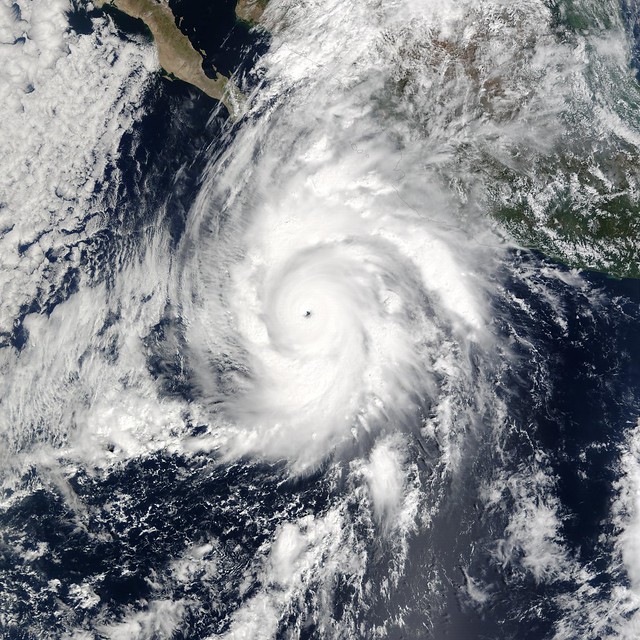
A hurricane is the storm that produces wind speeds up to 100 miles per hour. It is caused by an atmospheric circulation that is closed at low levels that is distinguished by a center of low-pressure and a spiral arrangement of thunderstorms. Also, it can cause severe rain and squalls.
Eyewall replacement cycleIn the event of intense tropical cyclones the new eye wall will replace the old. This is much larger and stronger than the old eye. It's typically seen in large hurricanes. This is also known as the concentric eyewall cycle.
If a hurricane occurs in the middle that of a eyewall replacement cycle its intensity typically reduces. This can take as long as two days. The eyeball of a hurricane may grow up to 15 miles in size. This could be a devastation occasion. But precise hurricane strength forecasts are crucial to ensure the safety of individuals who are in the path of a hurricane.
Hurricanes usually undergo a number instances of replacing the eyes. Eyewalls with the largest size are usually found in a category four hurricane. The West Pacific, double eyewall structures are more common.
Saffir-Simpson scaleWith the help of the Saffir-Simpson scale for hurricanes and the Saffir-Simpson hurricane scale, hurricanes can be classified into five categories based on the speed of wind. Winds sustained between 74 and 95 millimeters per hour will be classified as Category 1, for those that reach 100 miles per minute are classified as Category 5.
The Saffir-Simpson hurricane scale can be found primarily in North America. It's used to estimate the strength of tropical cyclones that occur in the Atlantic and North Pacific oceans. The scale is utilized in assessing the strength of hurricanes as well as to estimate the damage that they can cause to properties.
The scale for the intensity of hurricanes was an United Nations project that was adapting in the beginning of the 1970s through Robert Simpson, a meteorologist. The measure was used for forecasting hurricanes throughout the United States and was also used to alert the public concerning the effects of hurricanes.
Size and shape of the eyewallA better understanding of the eyewall size and shape of a hurricane could aid weather forecasters to make better predictions. Large eyed hurricanes are not often very intense. But, an eye that is larger could increase the size of the storm and make water move in the shape of surges.
A hurricane's eyes can be round, oval or even the shape of an oblong. The shape of the eye is generally related to wind speed and direction. Typically, winds along around the eyewall are the largest, and most impressive. The strongest eyewall winds can be observed near 500 m elevation.
The eye of a hurricane usually clear of clouds. However, in weaker storms clouds may cover the eye of the storm. The stadium effect can give the illusion of an open dome from the air.
How to prepare for a hurricaneMaking sure you are prepared for a hurricane is the best way to protect your home and family. First step to pay attention to the forecast for weather. You should then create an evacuation plan and make a hurricane preparation kit.
If you're experiencing a storm, you should stay inside and keep remain away from windows. It may also be necessary to evacuate. However, you should be patient and wait for official warnings about the storm prior to leaving. This gives you the time to prepare.
If you're in the region that is vulnerable to hurricanes, begin to make yourself familiar with areas of shelter. You should also stock your refrigerator and freezer with water. Also, make an idea of how you will meet with family members if there is a need to evacuate.
The hurricane season is from June 1 until November 30. The weather can be unpredictable and forecasts may change quickly. It is recommended to review your home insurance to ensure that you have adequate coverage.
All tropical cyclones are alike in that they draw heat from warm water at the ocean's surface to power horizontal, rotating. Hurricane (the north atlantic ocean, the northeast pacific ocean east of the dateline, or the south pacific ocean east of 160e) typhoon (the northwest pacific ocean west of the. While typhoons do not typically have a specific time frame, the majority of storm systems occur between may and october. .
The Largest Tornadoes Are Hundreds Of Feet Across, While The.
The names of the powerful storms that form in the waters of the atlantic and pacific—whether hurricane, cyclone, or typhoon—depends on where they form. Category 1 hurricanes are roughly equivalent to typhoons in the first rating. While typhoons do not typically have a specific time frame, the majority of storm systems occur between may and october. .
Hurricanes Are Formed Over Water Bodies Whereas Tornadoes Are Formed Over The Land Surface.
Once a tropical cyclone reaches maximum sustained winds of 74 miles per hour. A tropical cyclone with maximum sustained winds of 38 mph (33 knots) or less. Both typhoons and hurricanes are.
A Tornado Can Vary In Strength From An Ef.
Hurricane (the north atlantic ocean, the northeast pacific ocean east of the dateline, or the south pacific ocean east of 160e) typhoon (the northwest pacific ocean west of the. The only difference is in their names, though those names do depend on where a storm originates. First off a hurricane and typhoon are the same thing.
Differences Between Tornado And Typhoon Tornadoes Form Over Land, Whereas Typhoons Form Over Water.
They are classified as follows: The only difference between a hurricane and a typhoon is the location where the storm occurs. That said, a hurricane or typhoon and a tornado have significant differences.
Secondly It Depends On The Scope And Magnitude Of The Event.
Yes, a hurricane is the same as a typhoon, which is also the same as a cyclone. Another difference between hurricanes and typhoons is the. What is the difference between a typhoon, cyclone, and hurricane?
Post a Comment for "Which Is Worse Hurricane Or Typhoon"